
Treatment for Adults
Integrative Therapy That Meets You Where You Are
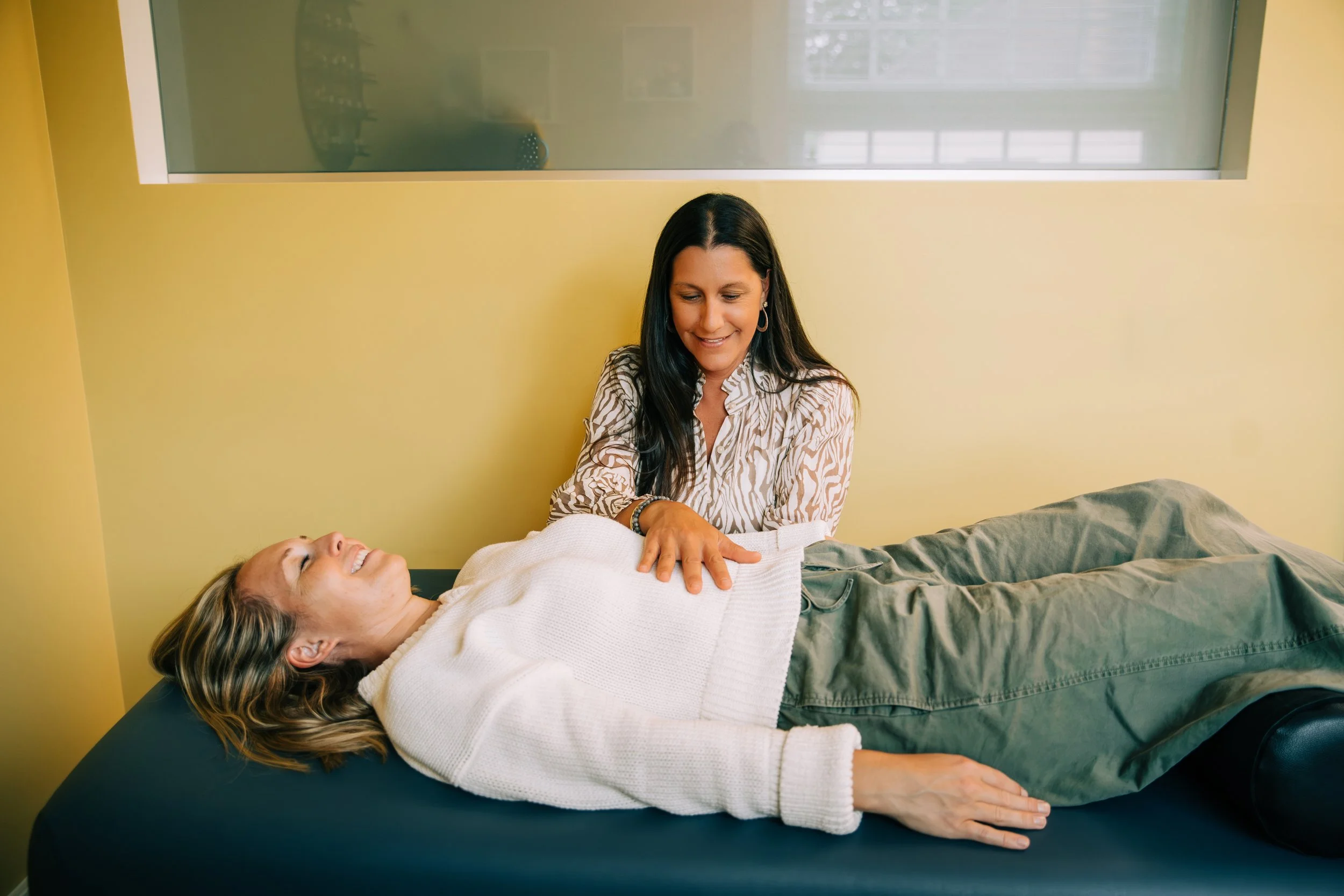
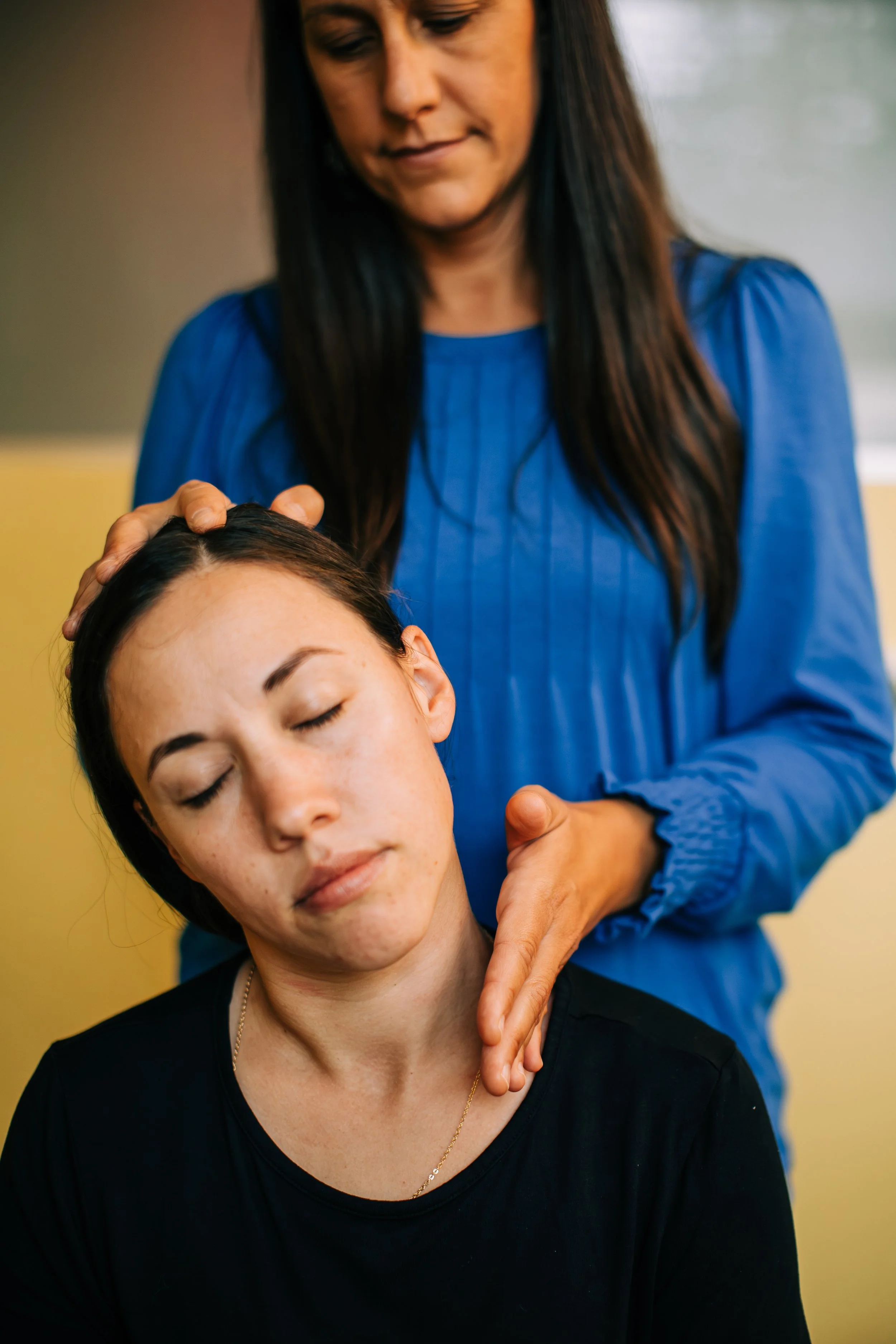
When working with adult patients at Connectivity Therapy, the foundation of treatment is rooted in regulation of the Central Nervous System, which allows for the body to be in an optimal state for healing. Each session is individualized and meets the patient where they are that day, helping support what their body and nervous system needs. With therapy, I integrate hands-on Physical Therapy techniques, CranioSacral Therapy, and other gentle manual therapy approaches to address both structural and functional restrictions and concerns. I educate my patients, help to empower them, provide recommendations for home, and share ideas for living a healthy lifestyle. As a practitioner, I am grounded and neutral in my approach. I will listen to and honor your story and I will provide a safe space for your body to calm, release, and process to allow for long-lasting change. Whether you are working toward conception, navigating chronic pain, feeling dysregulated, or healing from trauma, I will walk alongside you, providing therapy through a holistic approach that supports your physical and emotional well-being.
Patients Seeking Care
Adults reach out for support for many different reasons. I treat patients who are navigating concerns that include, but are not limited to, the following:
Chronic or recurrent tension and pain
Headaches and migraines
Temporomandibular joint (TMJ) tightness and pain, clenching, and grinding
Oral restrictions - lip, tongue, and buccal ties
Nervous system dysregulation - Fight, Flight, Freeze
Women’s Health - conception, pregnancy, birthing, post-partum, and miscarriage support
Long-term stress with chronic depletion, fatigue, and physical manifestations
Trauma held in the body and healing from post-traumatic stress disorder
Gut dysbiosis, constipation, diarrhea, reflux, bloating, gas, and gut-brain disconnection
Insomnia, frequent waking, and difficulty settling
Traumatic brain injury and post-concussion syndrome
Neurodivergent diagnoses - Autism Spectrum Disorders
Alzheimer’s disease, dementia, memory challenges, and brain fog
Cancer treatment support
Neurological diagnoses
Incontinence and urgency
Positional Orthostatic Tachycardia Syndrome (POTS)
Seizure disorder, tics, and Tourette Syndrome
Vision and vestibular concerns
Scoliosis and postural support
Injury, post-surgical, and post-medical treatment recovery
Scar tissue restrictions and discomfort
Limited mobility or movement restrictions
Weakness
Lymphatic congestion and chronic swelling
Immune system support and wellness
Respiratory difficulties, chest breathing, and mouth breathing
Symptoms that have not improved with traditional approaches
General imbalances or feelings of being “stuck” physically or emotionally
(If your concern is not listed, please reach out to see if I may be a good fit to help you!)

My Approach
Each session draws from a variety of therapeutic methods that work together to support your body. These services are integrated during treatment sessions rather than offered as separate appointments:
Integrative hands-on Physical Therapy to improve muscle tightness, mobility, swelling, pain, movement, posture, balance, and function; use of mobilization with movement, myofascial release, stretching, neural mobility, strengthening, and patient education
CranioSacral Therapy for calming and regulation of the CranioSacral System and the Central Nervous System, gentle release of neural and bony restrictions, and myofascial tension patterns; deep brain work for improved brain and neurological function
Somato-Emotional Release to help the body to process and release trauma that can be stored in the body, use of dialoguing and imagery, and treatment following the patient’s inner wisdom
Trauma-Informed Care focused on gentle, supportive, holistic treatment, with an understanding of the impact of trauma on the nervous system and the physical manifestations of trauma in the body
Visceral Manipulation to focus on organ specific treatment to improve organ balance and function
Lymphatic Drainage to support the healthy movement of lymph through gentle manual therapy to improve lymphatic mobility, reduce lymphatic congestion and support drainage to reduce swelling throughout face, body, and extremities
Breathing support to improve diaphragm and rib cage mobility, nasal breathing, abdominal breathing, improving oxygenation, and decreasing brain fog
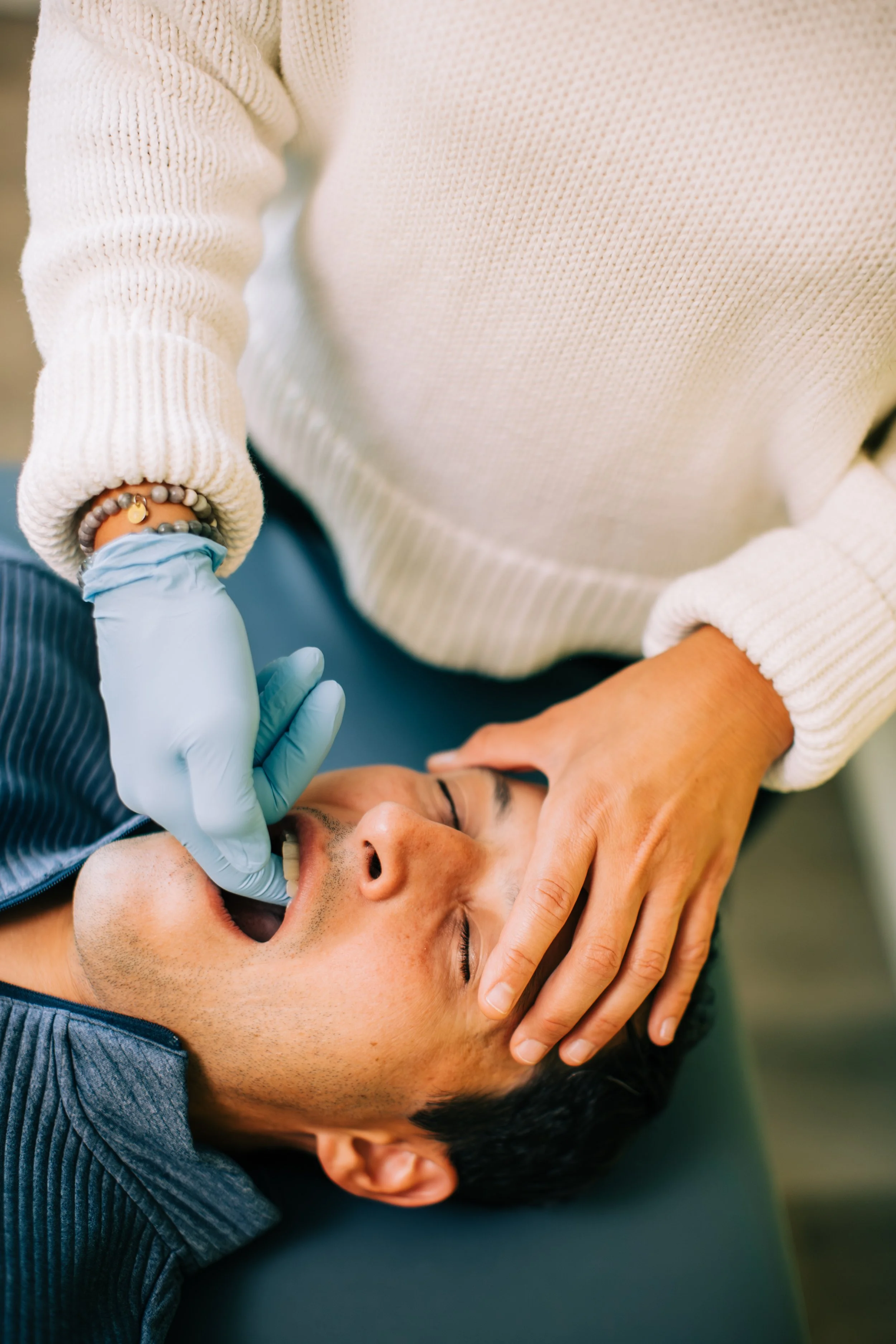
Intra-Oral Work to release tightness, tension, and restrictions, help TMJ, clenching, and grinding, and for support with tethered oral tissues
Post-injury support to reduce pain, swelling, and support healing
Post-surgical support to improve detoxification and movement of cerebral spinal fluid post-anesthesia, support wound healing, reduce swelling, and assist with recovery
Neurological strategies and sensory techniques for brain injuries, post-concussion, patients with visual and vestibular symptoms
Gentle manual therapy and soft tissue work
Guidance for integrating a more holistic lifestyle and self-regulation habits into daily life
Education and support for understanding and ideas for home
Referrals and recommendations for other therapists and medical professionals
Foundations of the Therapeutic Approach
A Whole-Body Perspective
As we go though life, we have many different experiences that can impact our physical bodies. Tension patterns can built up slowly over time and may go unnoticed until they can no longer be ignored. Often times, it isn’t just one part of the body that is causing someone distress, It is often the inter-relationship between parts that can only be seen when looking at the whole body.
My work focuses on evaluating, observing, and listening to your body, seeking to understand where strain patterns or trauma is being held, and working to best support you to achieve physical and emotional healing. With gentle, hands-on therapy, we can work together to help discover and shift these patterns by releasing restrictions, gaining mobility, balancing the nervous system, and improving function and the quality of your life.
The Role of the Nervous System
CranioSacral Therapy works with the Craniosacral System to influence the Central Nervous System, the brain and the spinal cord, to improve function and regulation. By working with the natural movement of cerebrospinal fluid in the body and releasing imbalances in the musculoskeletal, nervous, and fascial systems, this work helps to reduce tension and imbalances that can occur when the nervous system is dysregulated.
Through treatment, the nervous system shifts from a state of heightened alertness or fight-or-flight toward a more regulated, balanced state. As a result, your Central Nervous System can have improved function, impacting all systems of your body. Through this work, patients may experience systemic changes as the body progresses toward homeostasis, regulation, and an improved state of well-being.
Deeper Brain Work
The Central Nervous System is the foundation for healing and regulation. The brain and the body need to have good communication. These interactions happen on a neurological level, involving communication between cells, activation of nerves, and the movement of cerebral spinal fluid and blood flow. With hands-on treatment, I am able to work on a cellular level and along neurological pathways to help facilitate change.
Deeper brain work supports neurological healing by enhancing cellular communication and overall nervous system function. My approach focuses on reducing chronic stress patterns, improving communication between the Central and Peripheral Nervous Systems, and by helping you to achieve a regulated nervous system for overall physiological balance in your body.
Specializing in Concussion Treatment
Sustaining a head injury and concussion can be very impactful on one’s function and quality of life. Following a concussion, there may be symptoms that present initially, such as headaches, eye pain, dizziness, fatigue, and changes in movement patterns. Symptoms may resolve with rest, but there may be symptoms that can be slower to resolve, even months and years after the sustained concussion. These patients are often then diagnosed as having Post-Concussion Syndrome and can end up spinning through the medical system, having more questions than answers, more prescriptions than progress, and many times losing sleep and hope.
Patients spend months experiencing headaches, dizziness, brain fog, neck pain, light or sound sensitivity, sleep disturbances, tinnitus, memory and concentration issues, confusion, emotional instability, difficulty returning to work or school, and difficulty with performing simple day to day tasks. Many times these symptoms are dismissed and misunderstood. In my practice, these are the patients I hope to have the opportunity to meet and help.
I provide comprehensive, whole body treatment designed to improve symptoms, function, and quality of life for patients suffering post concussion. I take time to understand your symptoms, your history, and how the injury is affecting your life. In my evaluation, I will explore the interconnected roles of the cervical spine, vestibular system, visual system, autonomic nervous system, and whole-body tension patterns. With this in-depth perspective, we can create a personalized plan together that supports both immediate recovery and long-term healing and wellness.
Treatment is individualized and I use gentle manual therapy techniques to reduce neural, myofascial and bony restrictions, to support the nervous system, to help the brain’s natural ability to heal, reorganize, and recover, to support healing and balancing in the visual and vestibular systems, and strategies for improving breathing, energy management, sleep hygiene, and overall wellness. I will work to help you find homeostasis and healing within your brain and body, while providing a quiet, sensory accommodating space for recovery.
Healing from a concussion can feel uncertain, but you don’t have to navigate it alone. I offer skilled, evidence based care grounded in compassion and collaboration with professionals across multiple disciplines. This work supports healing by reducing pain and symptoms, supporting neuroplasticity, and for overall nervous system regulation to improve function and quality of life.
(I also work with children who have experienced head injuries, including those recovering from concussions and those experiencing ongoing post-concussion challenges.)