Pediatric Therapy
Gentle, Individualized Care for Babies and Children
As a Doctor of Physical Therapy certified in Neuro-Developmental Treatment and Diplomate Certified in CranioSacral Therapy, I am very well-educated in anatomy, physiology, and the neurological development of infants and children. I recognize that the regulation of the Central Nervous System is foundational for optimal development and function. I provide specialized support for infants and children who need help with mobility, postural alignment, feeding, calming, regulation, and development. Therapy sessions will meet each child where they are and treatment will vary depending on the child’s needs that day. I practice from a holistic foundation and work to support the whole child for the best outcomes.
My goals are to help babies and children to improve mobility, function, and development, to provide a safe space for neurological regulation, to allow children to feel more comfortable in their bodies, and to support families through education and empowerment.
Pediatric Care
I treat a wide variety of Pediatric diagnoses. The following are examples, not all inclusive, of what parents may reach out for help with:
Post traumatic birth or NICU stay
Colic, fussiness, or persistent discomfort
Gas, reflux, and constipation
Sleep difficulty
Trouble settling or regulating
Exaggerated startle or gag reflex
Difficulty tolerating tummy time
Feeding challenges or difficulties with breast or bottle feeding
Pre and post lip, tongue and/or buccal tie releases
Plagiocephaly, head shape concerns, or facial asymmetries
Torticollis, head tilt, or side preference
Body tension
Mobility and postural concerns (jaw, neck, trunk, extremities)
Developmental delays or learning differences
Delayed motor milestone attainment (rolling, crawling, walking)
Sensory processing concerns
General concerns about movement, discomfort, or alignment
Mouth breathing, grinding, clenching, TMJ symptoms
Neurological diagnoses - Autism Spectrum Disorders, PANS/PANDAS, tics, seizures, POTS
Orthopedic and Genetic diagnoses
With palatal expansion and orthodontic treatment
Visual, vestibular, and balance issues
Bedwetting and night terrors
Post anesthesia and surgery
Support during cancer treatment
Nasal or ear congestion
Immune, wellness, and developmental support

My Approach
Each therapy session combines a variety of gentle, developmentally appropriate therapeutic methods that work together to support your child’s body with improved neural regulation, postural alignment, healing, function, and development. These approaches are integrated throughout treatment rather than offered as separate appointments:
Physical Therapy evaluation and treatment of movement patterns, restrictions, milestone attainment, and functional concerns
CranioSacral Therapy for calming and regulation of the nervous system, gentle release of neural and bony restrictions, and myofascial tension patterns
Somato-Emotional Release to help the body to process and release trauma that can be stored in the body
Neuro-Developmental Treatment strategies to facilitate or inhibit movement patterns and to support developmental progression
Oral-motor and feeding support for infants and children through structural improvements for functional changes
Visceral Manipulation to focus on organ specific treatment
Lymphatic Drainage to support the healthy movement of lymph for optimal health
Trauma-Informed Care with respect for the child and parent
Breathing support to improve diaphragm, rib cage, and trunk mobility, nasal breathing, and oxygenation
Gentle manual therapy and soft tissue work
Sensory processing strategies specific to the needs of the child
Techniques to help babies and children to settle, self-regulate, and feel safe
Parent education and support for understanding and ideas for home
Referrals and recommendations for other therapists and medical professionals to support for your child


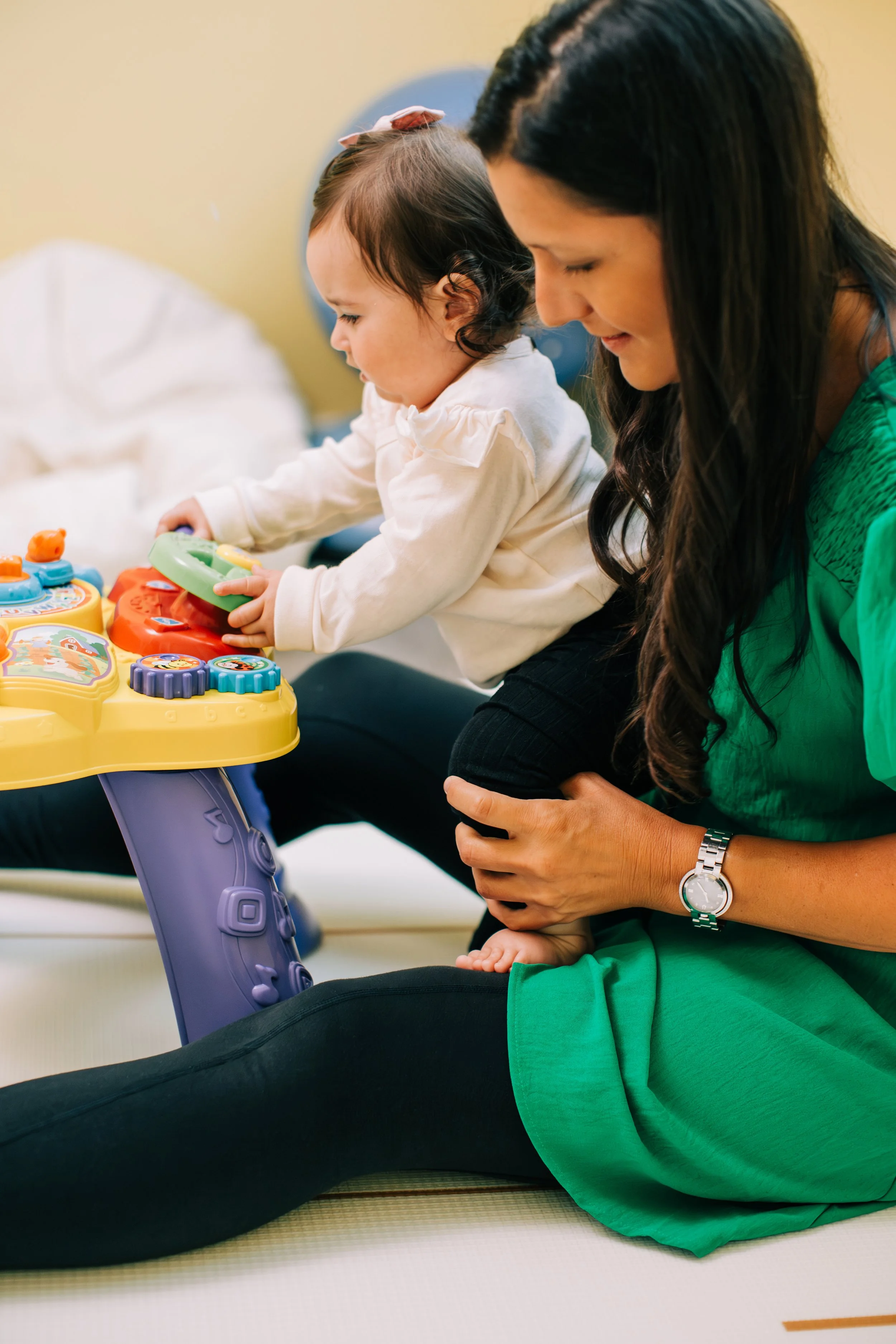
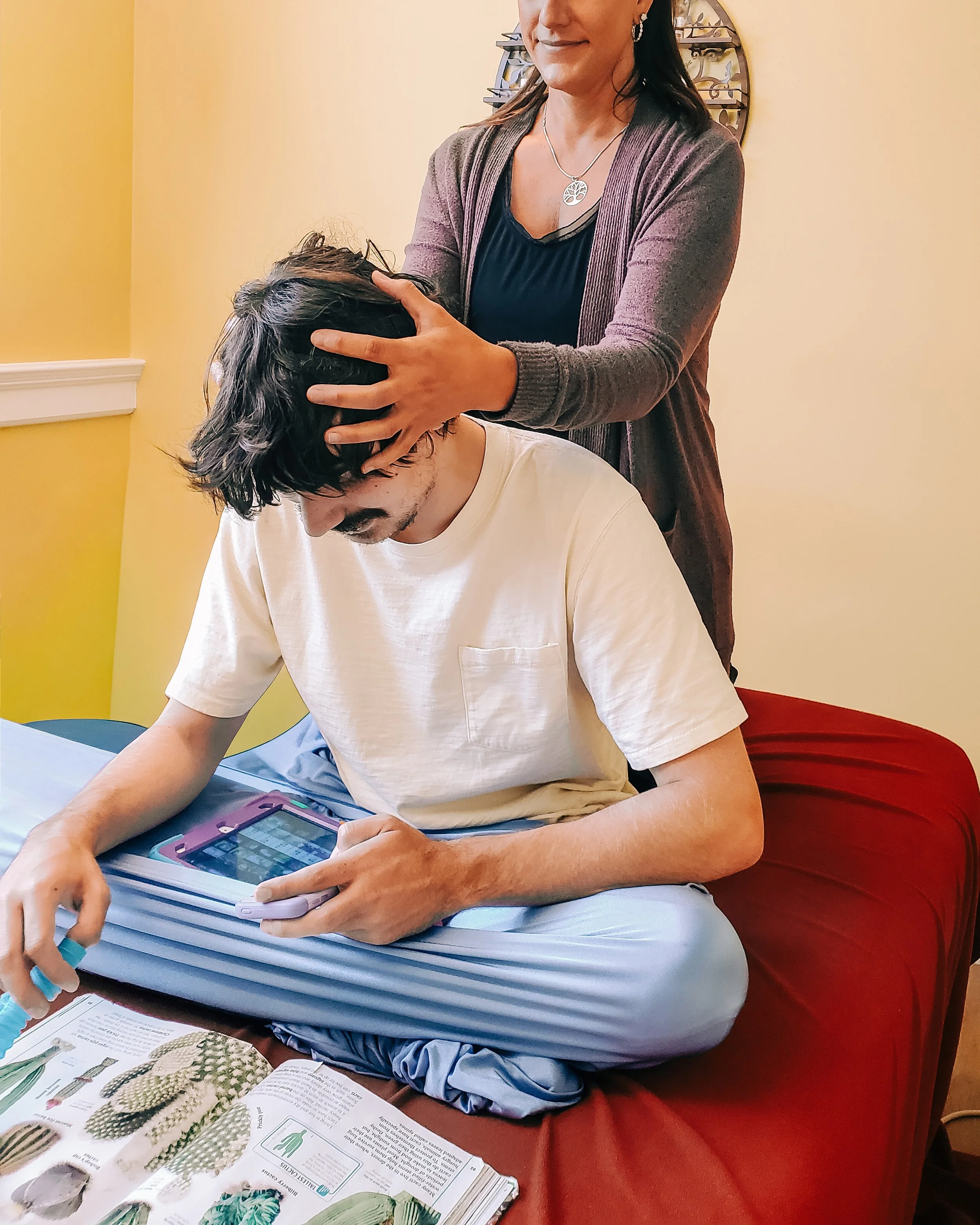
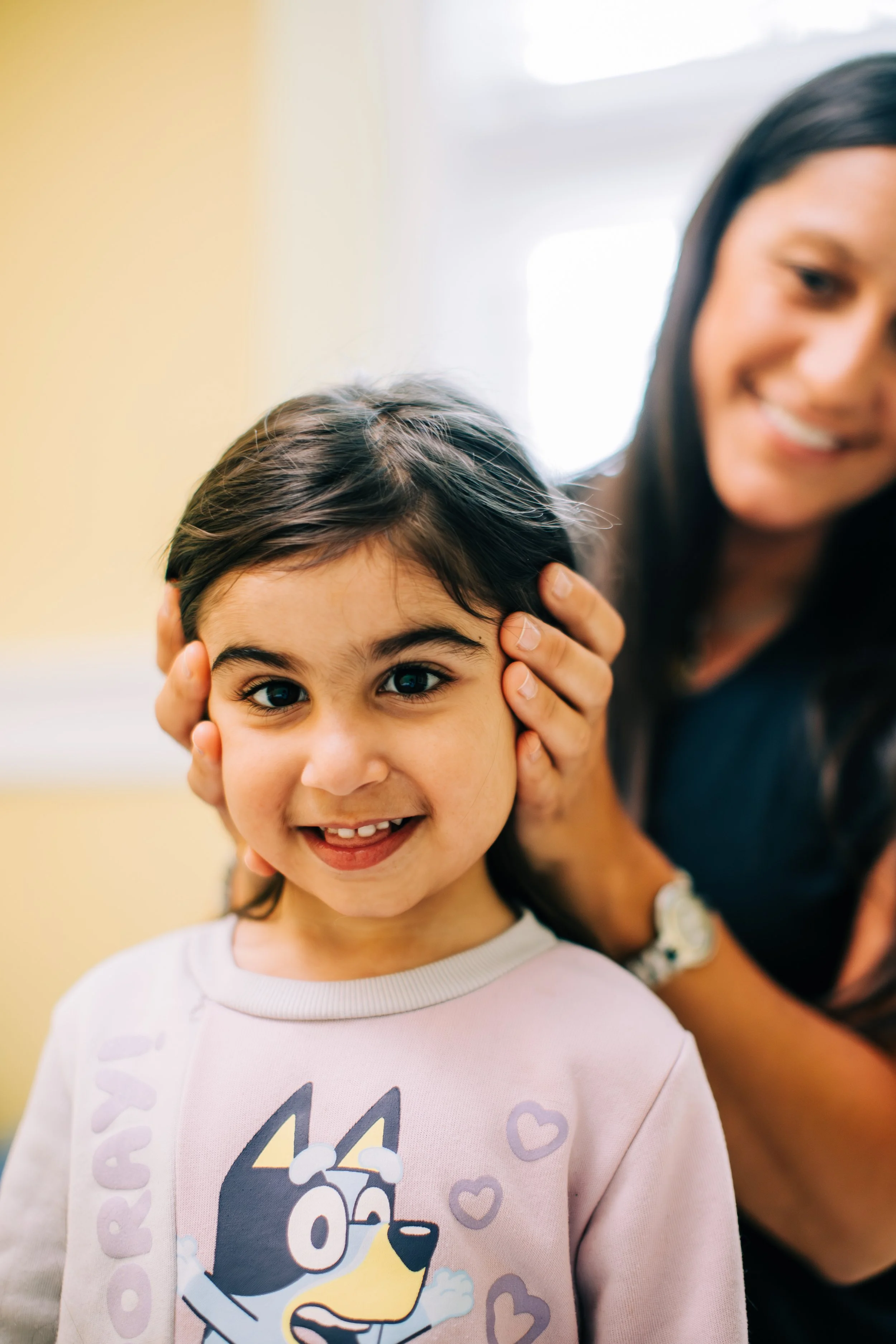
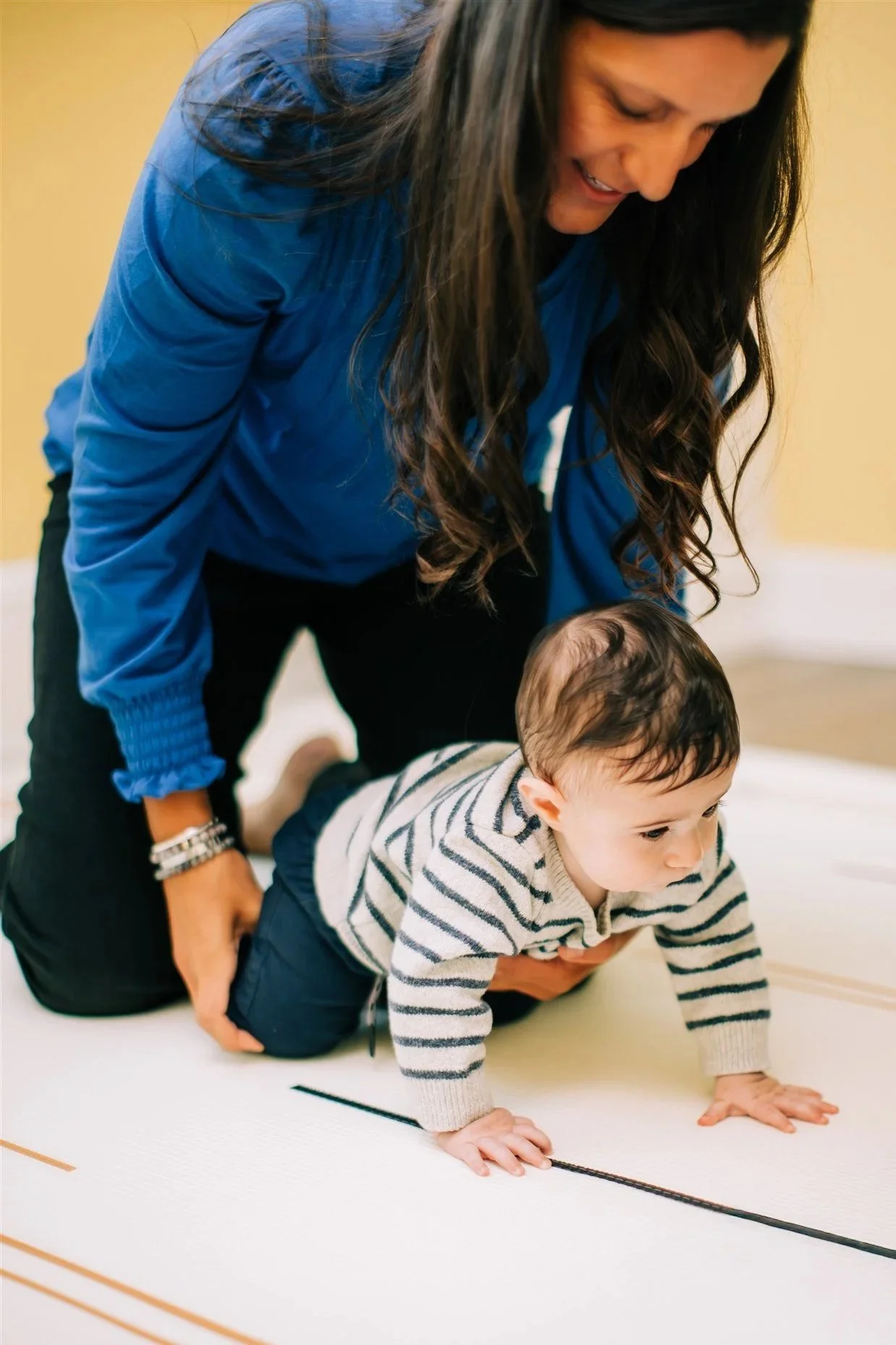

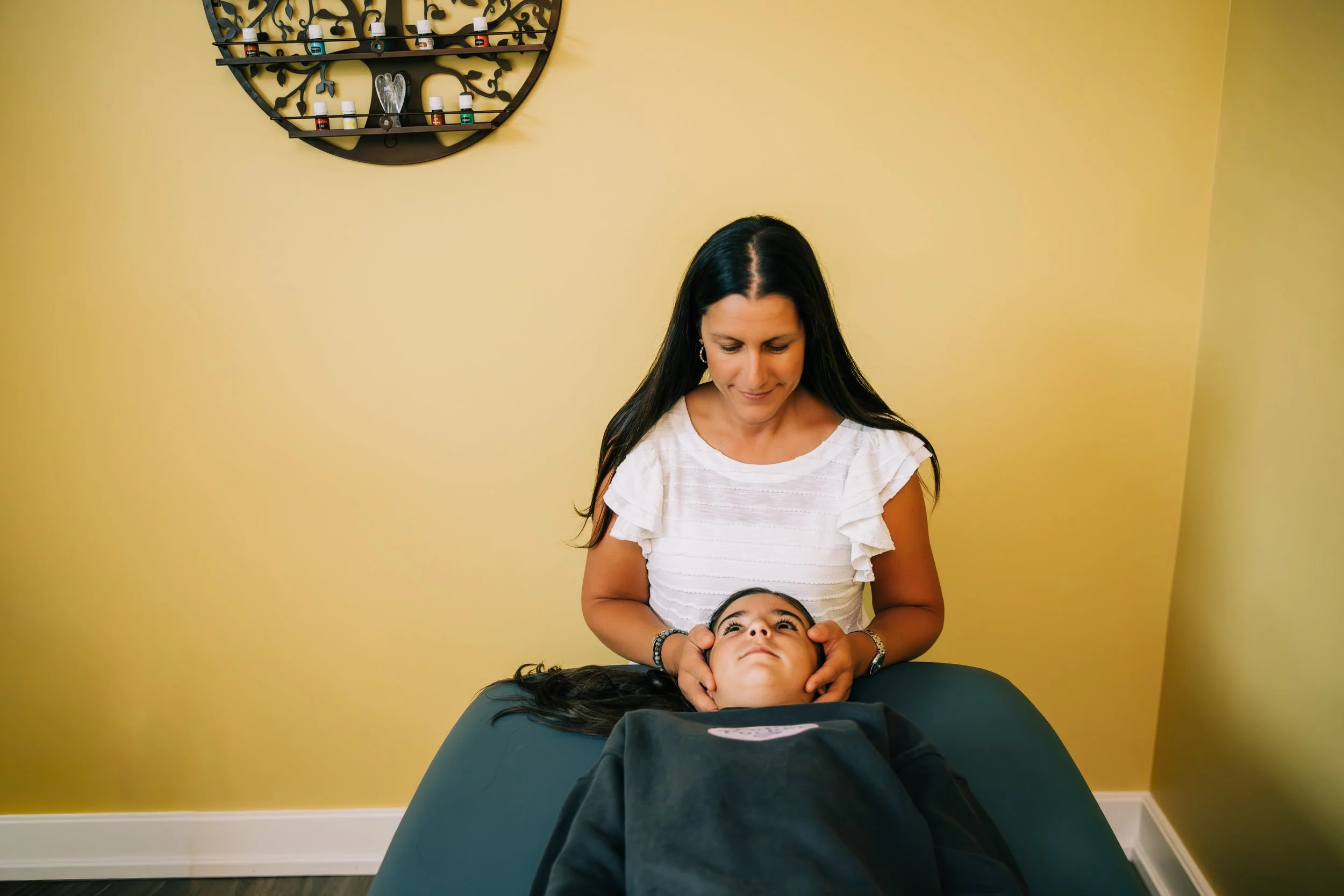
The Heart of My Pediatric Approach
Growing from the Inside Out
From infancy through childhood, the ability to have a regulated Central Nervous System is foundational. It supports a baby or child to have the ability to calm, settle, and feel safe which are all needed for optimal development. By supporting the nervous system, helping with muscle tension, cranial compression, and by improving posture and movement patterns, functional changes can be seen, such as improved range of motion, elimination of asymmetries in the head and face, improved ability to feed, improved proprioception, emotional regulation, sensory processing, and milestone attainment.
Gentle Hands on Care
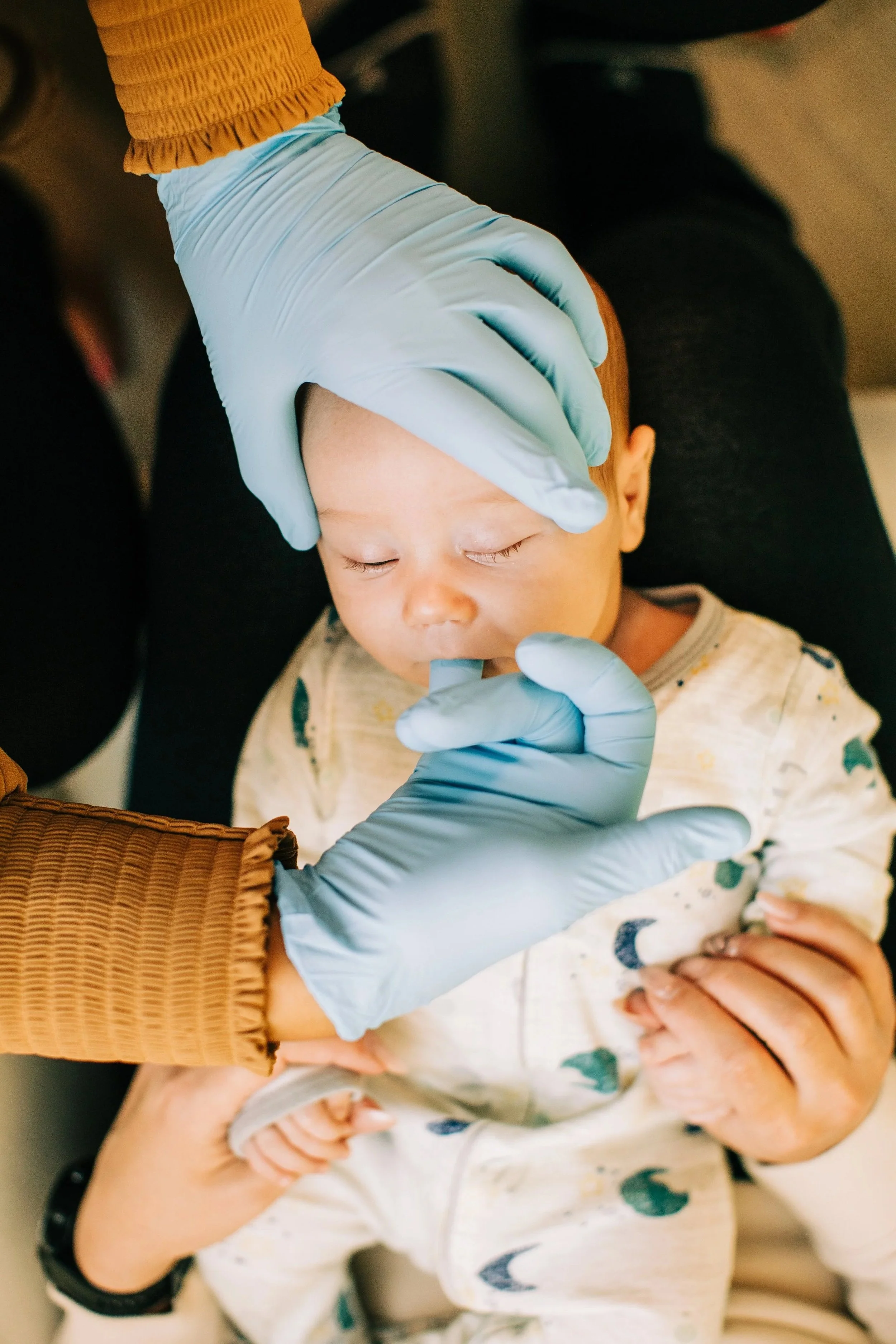
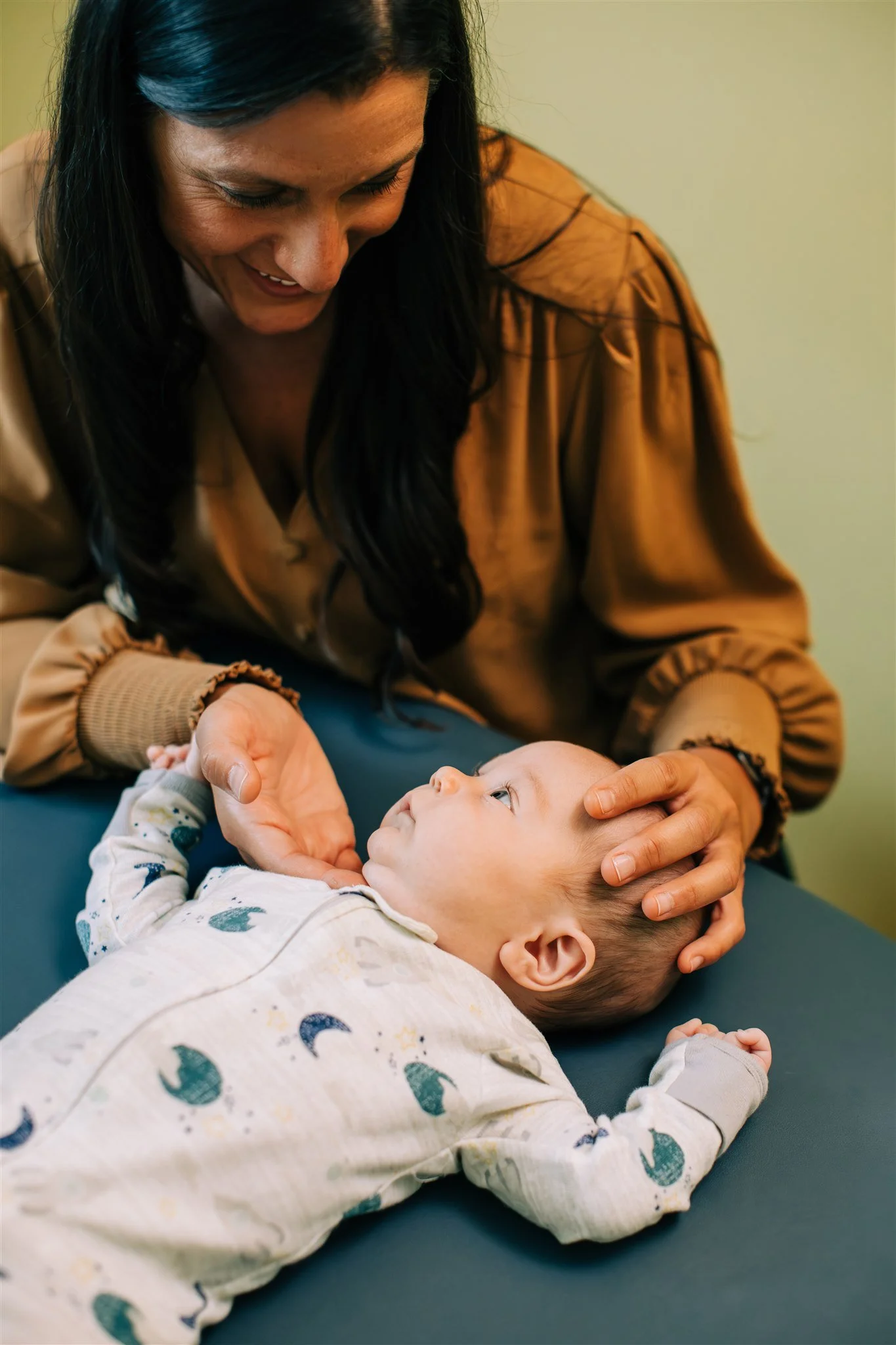
Through the use of Neuro-Developmental Treatment strategies and gentle manual therapy techniques, including, but not limited to, CranioSacral Therapy, I work to assist with neural regulation, unwinding tension patterns, supporting developmental milestones, and to facilitate improved movement patterns. Whether your child is navigating body tension, tongue/lip ties, cranial flat spots, sleep difficulties, motor delays, or neurological concerns, my goal is to partner with you to achieve the goals for which you seek care and to offer a calm, supportive space where functional changes are possible.
Family-Centered Care
As a mother who leans toward attachment parenting, I understand firsthand the profound connection that exists between parents and their children. I also understand that you are the expert on your child. I am the helper. I am here to listen, share what I observe and feel in the body, and work together with you to see how I can be helpful to your child and to your family. I do not separate parents from children in my treatment sessions and follow the child’s lead on where treatment takes place. I offer individualized hands-on care where your family’s experiences and goals are at the center of our therapy sessions.
Specializing in Tethered Oral Tissues
(Lip, Tongue &Buccal Ties)
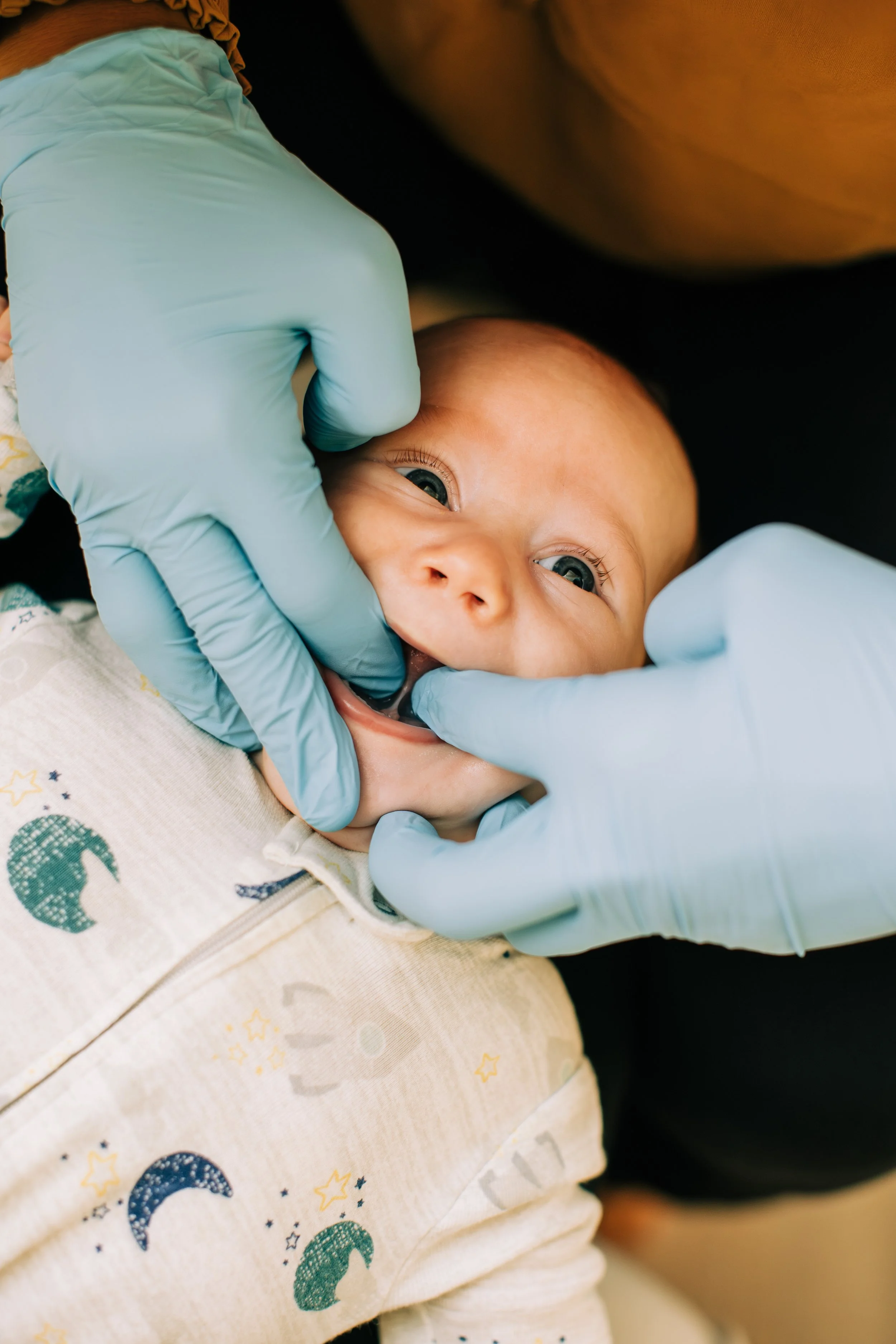
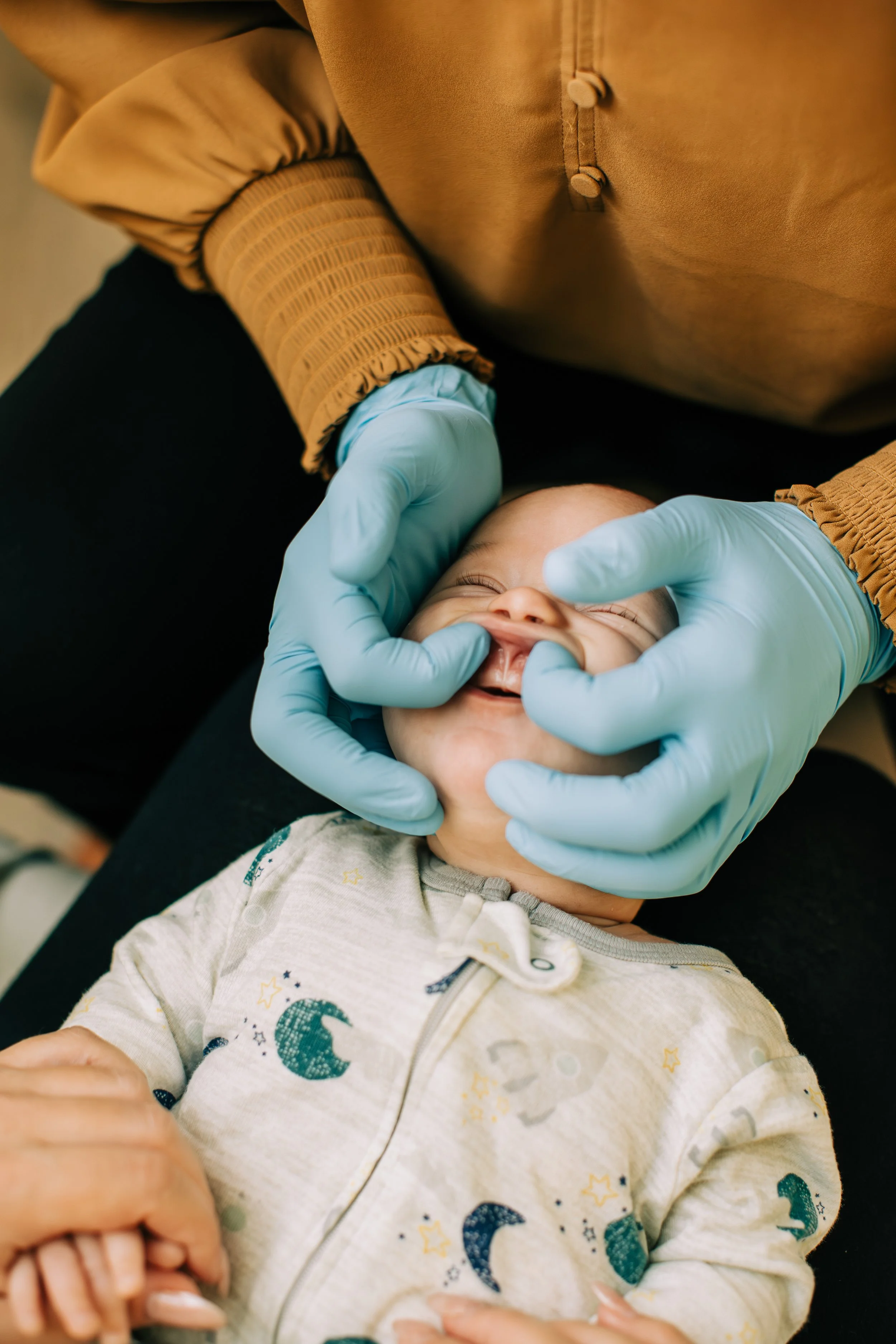
As a Doctor of Physical Therapy, who has been trained in intra-oral work since 2009, I bring a unique perspective to the area of Tethered Oral Tissues. I have the ability to assess the entire child, not just the oral structures. By evaluating the whole child, I look at different components, including myofascial tension patterns throughout the body, cranial compressions (areas of ridging, flattening, and asymmetry), neurological regulation of the Central Nervous System, postural asymmetry from the cranium to the feet (jaw alignment, neck posturing, spinal and hip alignment, and weight bearing in different positions), milestone attainment, movement patterns, cranial nerve function, functional breathing mechanics (nasal vs. mouth, chest vs. belly, mobility of the diaphragm and ribcage), sleep routines, and, finally, oral structures (palate, tongue resting posture, tooth positioning, and mobility of the lips, tongue, and cheeks). A full evaluation allows for a clearer picture of physical limitations and the impacts the limitations may be having on function and development.
The presence of lip, tongue, and buccal ties are physical, structural restrictions that are objective and measurable based on the level of attachment and restriction. With an intra-oral evaluation, the restrictions of the lip, tongue, and cheeks can be seen. After looking at structure, it is imperative to discuss and evaluate function. Often when there are oral restrictions, babies may have challenges including difficulty with feeding, reflux, gas, and “colic,” with difficulty settling, and with sleep. Babies with ties also frequently present with neck and body tightness, jaw recession, and an open mouth posture. In children with oral restrictions, parents may have concerns for muscle tightness, asymmetries in the body, mobility issues, sleep and airway issues (mouth breathing, sleeping in atypical postures), enlarged adenoid and tonsils, fluid stagnation (sinus and ear congestion), behavioral challenges, difficulty with feeding, speech, and dentition.
Following the diagnosis of lip, tongue, and buccal ties, it is important to understand what the evaluation reveals and what is appropriate for your child and your present family situation. By looking at the whole child, a plan can be created that helps to improve areas, such as muscle tightness, bony compression, posture, movement patterns, and neurological regulation to improve feeding, sleeping, function, and development. In determining the next steps when a baby or child is restricted, structure and function are both equally as important.
The presence of ties is not a direct pathway to a frenectomy/”release” as there are many variables to consider including the timing of the release for the child and also if the family is open to considering that intervention. I provide assistance to babies and children who have oral restrictions who undergo frenectomies and also to those who do not want to explore that option. My job is to support and improve the limitations that were revealed on the evaluation and to improve function as much as possible with my treatment strategies. If a frenectomy is indicated and is the plan for the child, I work to educate parents to understand the process and provide a clear plan for therapy pre and post frenectomy, including what therapies are indicated for their child, a plan of care, pain management, wound care, and a home program. Proper education and support are necessary for a successful outcome.
A team approach is important and shared care with other practitioners, such as International Board Certified in Lactation Consultants (IBCLCs), Myofunctional Therapists (MFT), Occupational Therapists (OT), Speech and Feeding Therapists (SLP), Dentists, Orthodontists, Chiropractors, and Physicians who specialize in Ear, Nose, and Throat (ENT), allergies, and sleep medicine, may be helpful. Referrals are made as it is deemed appropriate for each individual child and all of these specialists are not indicated for every child.
I have had the opportunity to treat hundreds of babies and children with oral restrictions throughout the course of my career. I have presented on this topic in professional forums, virtual presentations, and have taught classes in the United States and in Greece. I am confident that I can support your infant or child, as well as your family, through this process. A thorough evaluation is the best place to begin to better understand your child, what treatment is recommended for your child’s oral restrictions, and to improve overall structure, function, regulation, healing, and development.
(I also work with adults who have oral restrictions with structural and functional concerns.)